
Materials Guide
Wood Materials Guide
Compare the wood species we use for custom wooden products — density, hardness, stability, cost, and where each one performs best.
Compare the wood species
Each card lists density and Janka hardness where relevant, what the wood is best used for, and where it lands on cost. Tap any species with products to browse them.
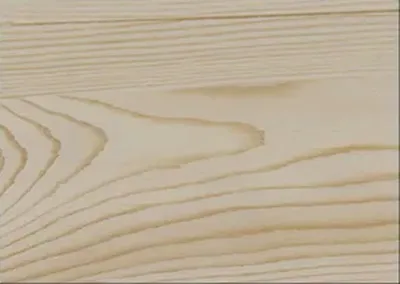 Pine
PinePine
Most cost-effectiveWarm tone, visible grain, budget-friendly
Density: ~400 kg/m³ · Janka hardness: 380–420 lbf
Pine is our most commonly used wood for custom products. Eastern white pine has a pale cream to light yellow-brown color that takes stain and varnish evenly. It weighs about 400 kg/m³ — light enough for economical shipping but dense enough for durable construction. The natural grain gives each piece character. It cuts cleanly, glues well, and has excellent dimensional stability (volume shrinkage of just 8.2%, among the lowest of all pines).
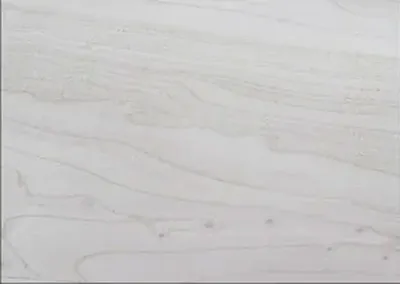 Poplar
Poplar
Most cost-effectiveLight, even, paintable, occasionally green-streaked
Density: ~450 kg/m³ · Janka hardness: 540 lbf
Poplar is a light, soft hardwood with a pale cream to light-brown color and a fine, uniform texture. It is inexpensive, easy to work, and takes paint exceptionally well, which makes it the standard choice for painted pieces and internal structural parts where the wood grain won't be seen.
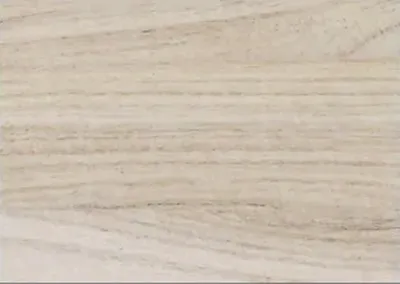 Paulownia
Paulownia
Cost-effectiveUltra-lightweight, pale color, smooth texture
Density: 250–350 kg/m³ · One of the lightest commercial woods
Paulownia is one of the fastest-growing and lightest commercial woods in the world. At 250–350 kg/m³, it weighs roughly 60–80% of pine. The wood has a clean, pale surface with a smooth texture that takes paint and light stains well. It air-dries quickly with minimal warping, and its fast growth (harvestable in 8–12 years) makes it one of the more sustainable choices available.
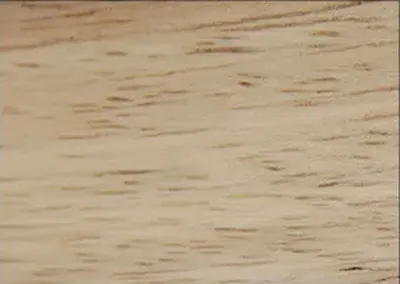 Rubberwood
Rubberwood
Cost-effectiveSustainable byproduct, warm blonde tone
Density: ~560–640 kg/m³ · Medium hardness
Rubberwood is a sustainable byproduct of the latex industry — trees are harvested for timber after their latex-producing life ends. It has a warm blonde tone and medium density, making it a popular eco-conscious choice for kitchen products, small furniture, and cutting boards.
 Birch
BirchBirch
Mid-rangePale, fine even grain; solid, plywood, and veneer forms
Plywood density: 650–720 kg/m³ · Excellent stability across humidity ranges
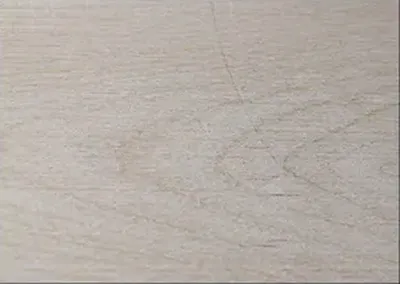
Birch is a pale, fine-grained hardwood we offer in three forms: solid birch, cross-laminated birch plywood, and thin flexible birch veneer. Birch plywood's cross-grain construction resists warping and expansion across humidity changes, while the veneer version conforms to curved surfaces that rigid panels can't cover. Both take paint and UV printing cleanly.
 Bamboo
Bamboo
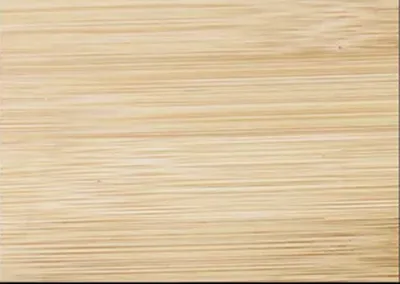
Mid-rangeSustainable, light color, clean linear grain
Density: 1,000–1,200 kg/m³ (strand-woven) · Extremely hard
Strand-woven bamboo is one of the hardest wood materials available. At 1,000–1,200 kg/m³, it is denser than most hardwoods and offers exceptional scratch resistance. The surface has a clean, modern linear grain that takes laser engraving cleanly. Bamboo reaches harvest maturity in 5–7 years (vs. 40–80 years for oak), making it the most renewable option on this list.
 Beech
BeechBeech
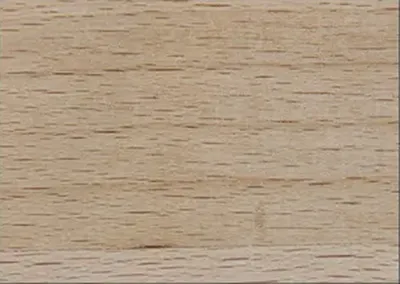
Mid-rangeHard, dense, fine even texture
Janka hardness: ~1,300 lbf · Excellent for turned products
Beech is a hard, dense hardwood with a fine even texture and pale cream color. It turns well on a lathe and holds fine detail. Commonly used for kitchen utensils, cutting boards, dowels, and children's products where durability and a smooth finish are important.
 Maple
MapleMaple
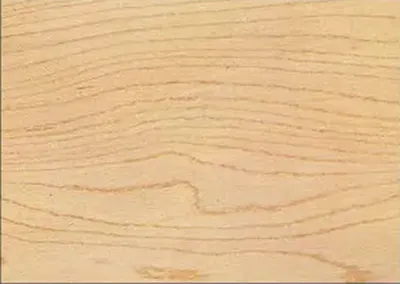
Mid-rangePale cream, hard, fine uniform grain
Density: ~620–750 kg/m³ · Janka hardness: 1,450 lbf (hard maple)
Hard maple is a pale, dense hardwood with a fine, uniform grain. At around 1,450 lbf on the Janka scale, it is among the harder domestic woods, giving it excellent scratch resistance. Its light color takes stain, paint, and laser engraving cleanly, and it machines to crisp edges.
 Oak
OakOak
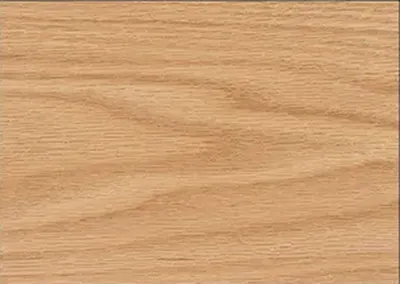
Mid-rangeStrong, durable, prominent open grain
Density: ~700–770 kg/m³ · Janka hardness: 1,290–1,360 lbf (white oak)
White and red oak are strong, durable hardwoods with a prominent open grain. At roughly 1,300 lbf on the Janka scale, oak is hard and scratch-resistant, and white oak in particular is naturally water-resistant thanks to its high tannin content. It stains and finishes well, giving a classic, long-wearing appearance.
 Cedar
CedarCedar
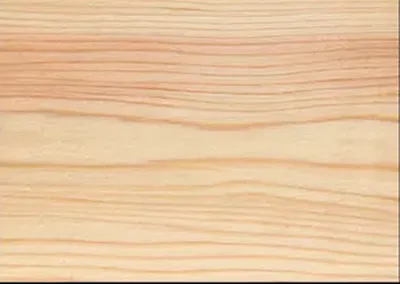
Mid-rangeAromatic, naturally insect- and rot-resistant
Density: ~350–500 kg/m³ · Soft, aromatic, durable
Western red cedar has a warm reddish-brown tone and a distinctive sweet aroma. Its natural oils make it resistant to insects, moisture, and rot, which is why it has long been used for chests, closets, and humidors. It is soft and lightweight, cuts cleanly, and takes stain well.
 Acacia
Acacia
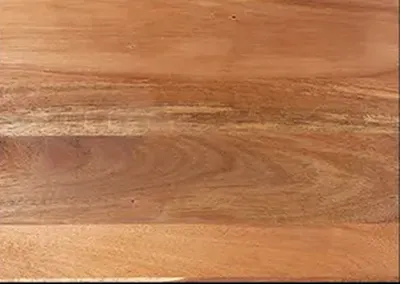
Mid-rangeRich dark grain, naturally hard and dense
Janka hardness: ~1,700 lbf · Naturally water-resistant
Acacia has a distinctive dark brown grain pattern that gives products a premium, high-contrast look without any staining. At approximately 1,700 lbf on the Janka scale, it is significantly harder than oak and nearly twice as hard as walnut. It resists scratches and has natural water resistance, which is why acacia cutting boards and serving trays are popular with brands targeting mid-to-high-end markets.
 Cherry
Cherry
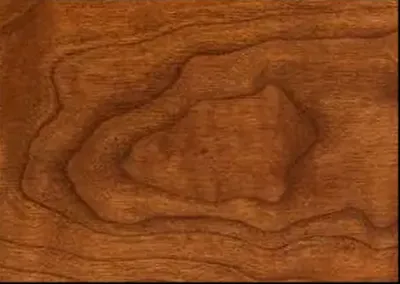
PremiumRich reddish-brown that deepens with age
Density: ~560 kg/m³ · Janka hardness: 950 lbf · Fine, even grain
American cherry has a rich reddish-brown heartwood that darkens and deepens with age and light exposure. Its fine, even grain and natural luster make it a favorite for premium boxes and presentation pieces. It machines and finishes beautifully with no need for heavy staining.
 Teak
TeakTeak
PremiumGolden-brown, naturally oily, weather-resistant
Density: ~630–720 kg/m³ · Janka hardness: 1,070 lbf · High natural oils
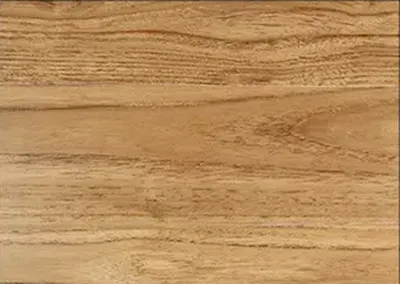
Teak has a golden-brown color and a high natural oil content that makes it one of the most weather- and rot-resistant woods available. It is dimensionally stable and holds up outdoors without heavy treatment. Its premium reputation and durability make it a top choice for long-lasting, high-end pieces.
 Walnut
Walnut
PremiumDark, luxurious color, fine grain, premium feel
Density: ~610 kg/m³ · Janka hardness: 1,010 lbf · T/R ratio: 1.4 (excellent stability)
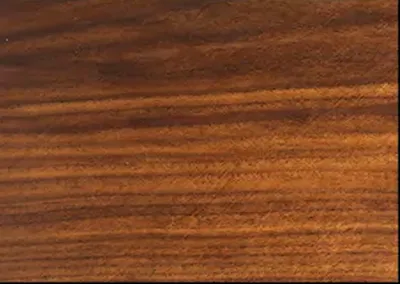
Black walnut is widely considered the most valuable North American hardwood. Its rich chocolate-brown heartwood with occasional purple or dark streaks needs little more than a clear coat to look refined. With a T/R shrinkage ratio of just 1.4, it has outstanding dimensional stability. Walnut products carry high perceived value and are typically chosen by brands positioning at the top end of their market.
 Mahogany
Mahogany
PremiumDeep reddish-brown, straight grain, classic premium look
Density: ~500–650 kg/m³ · Janka hardness: 800–900 lbf · Very stable
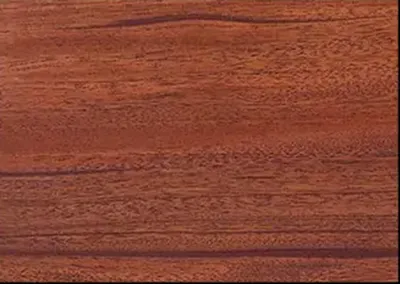
Genuine mahogany has a deep reddish-brown color and a straight, even grain that has made it a classic premium furniture wood for centuries. It is exceptionally stable, resists warping and rot, and takes a high polish. Ideal for pieces where a traditional, high-end appearance is wanted.
Related Resources
Natural, stained, painted, varnished, charred — how each finish pairs with different wood species.
How to Custom Order →Step-by-step from inquiry to delivery. Samples, CAD, production timeline.
Logo & Branding Options →Laser engraving, foil stamping, UV printing — which method works best on each wood.
Product Gallery →Browse all products by category, material, and finish. Every item is fully customizable.
Custom Wooden Boxes →Wine boxes, gift boxes, jewelry boxes, storage boxes — any wood, any size.
Wooden Cutting Boards →Acacia, walnut, bamboo, oak cutting boards — fully customizable with food-safe finishes.
Not Sure Which Material Fits Your Product?
Tell us about your project and we will recommend the best wood species for your design, budget, and target market.